Another leadership post, yay! This lecture was really cool and probably one of my favorites so far!
Kurt Mortensen, a public speaking professor at BYU, taught us about presenting (informing) and persuading (influencing) as leaders.
He stated, "Everyone is going to persuade as a living...managers now regard speaking skills over writing skills." Leaders especially have to persuade in order to get people on the same page, and inspiring action.
Generally, I guess I never really realized how important public speaking is, and I think that we would all be surprised to see ourselves speak in front of a group. There are so many things that make public speaking a huge power skill, and I hope to shed some light on a few techniques.
Kurt talked about four things that would help us to better our public speaking: presence, presentation structure, persuasion, and place.
First, presence. So many things affect the way that people judge you when you speak. Realistically, they judge you by your appearance, demeanor, clothing color, smell, gestures, word choice, and more. Many obstructions like podiums, powerpoints, and notecards can hinder your presentation because they kill charisma, do not allow for gestures, and block you from the audience, so it is best to get rid of those or use them very sparingly.
Your mannerisms are important. You hands shouldn't be in your pocket. Folding your arms and holding your hands is bad too. Also be aware of overactive hands. You should, however, use your hands, but always come back to a neutral spot and only gesture from your hips to shoulders.
Also, pacing and swaying are big no-nos.
Vocal fillers (um, uh, like) should be used in moderation, if not at all. They can become distracting if used too much.
Vocal inflection can make your presentation come alive, and charisma can be learned. You can learn to speed up the way that you speak; it is better to speak faster than slower. It has been proven that the faster you speak, the more persuasive you are. You obviously shouldn't speed up when you are nervous and talk so fast that no one can hear, but faster than normal is typically more persuasive.
Second, Presentation structure.
You need to make it clear what is in it for the audience, and what they can get out of your presentation/what problem are you going to solve. Your presentation is not about you. Make your argument not how you like it but what your audience needs and expects.
You also need to make sure that you cater to your audience. Be aware that people learn in different ways. Some things resonate with different people and personalities.
So, use the TESS formula to persuade. Use Testimonials, Examples, Statistics, and Stories. Personally, messages hit home to me when statistics and stories are used.
Also, make sure that you have a call to action: what do you want them to do?
Oh and be careful about the words that you use.
Airlines are really good about that. Notice how they say that you need to use the life vests "in the event of a water landing." Water landing? event? Well that's an interesting way to think about a plane crashing into the ocean with the wings broken off.
The barf bags are also cleverly worded; they are to be used for "motion discomfort"... really now? I'm pretty sure its for upchuck.
And a plane is never broken. There are only delays due to "mechanical difficulties."
Additionally, there is a huge difference in using the words unborn child and fetus in court. Definitely makes a difference in your argument.
Finally, he made a few other notes. He said that visuals help credibility, but handouts can be distracting so pass those out at the end. Also humor can help credibility, and you can definitely borrow humor; it increases confidence and connectivity.
Anyways...
Three areas of public speaking that I could work on the most are probably humor, obstructions/standing/mannerisms, and catering my message to the audience.
First, I think that I could definitely be funnier and add more humor to my presentations and lessons. I think that I need a lot of improvement in my confidence and ability to connect to my audience in order to really have an influence on people. I think that a good way to learn this is to watch some funny speakers and comedians and listen/watch their technique. I also think that I could write in humor to my presentations and memorize it, then eventually I think that it will come naturally if I practice it a lot. Generally, I think that I'm not a one-liner kind of person and I am really afraid of being cheesy so I will have to overcome that fear in order to be humorous.
Second, I think that I need to remove obstructions and consciously try to tone down my mannerisms and presence. I never really realized how podiums, notecards, and tables really block the presenter from the audience, but I think that is so true. They really do kill your charisma because you can't use your hands to talk. Also I have a tendency to move my feet around and tap them, so I really need to calm that down and consciously think about planting my feet. I also have a problem with having over active hands. Mortensen talked about how all your movements need to have a purpose, and I think that I just move around a lot because I am nervous which is bad.
Third, I think that I can really embrace the TESS formula for my argument. I think that I usually structure my arguments around what things I like and what things help me to learn, but I need to realize that most people don't think like me. I think that I can cater to my audience better this way even though it takes more research and effort because it would require me to think about different personalities and perspectives. I think that I can be way more persuasive so I think that this would totally help.
So... Public Speaking is a really important power skill and you should definitely try to master it!
Monday, November 19, 2012

Monday, November 12, 2012
Leadership in the Community
Just some thoughts... It's a bit of a jumble, but I think that community leadership is important and much more broad than I once thought.
The other day in my Leadership Development class we talked about being a leader in you community.
Dean Kau started by defining community and leadership in order to help us see how we can engage in these roles.
He first talked about how a community means much more than your hometown. He defined it as "a sense of place or capital, and people who work together for a common cause." He said that it implies "uniting, sharing a common interest and well-being, and having a network of social relations and emotional bonds."
He then shared a quote about leadership that I really liked. It was by John Quincy Adams who stated, "If your actions inspire others to dream more, learn more, do more and become more, you are a leader."
I love that definition because I think that it can really apply to whatever community that we choose to participate in.
He also talked about taking action as leaders by quoting someone (I forgot who) that said "imperfect action always beats perfect inaction." So true though. A lot of the time people are afraid that they will mess up or that they don't have anything to contribute, but in reality there is so much that each of us can do to be a leader in the many communities in which we dwell.
Along the same lines, Edmund Burke said, "All that is necessary for the triumph of evil is that good men do nothing." I think that especially now in the world it is important to stand up for the things that we believe in by trying to initiate change and let our voice be heard.
Anyways...
The other day in my Leadership Development class we talked about being a leader in you community.
Dean Kau started by defining community and leadership in order to help us see how we can engage in these roles.
He first talked about how a community means much more than your hometown. He defined it as "a sense of place or capital, and people who work together for a common cause." He said that it implies "uniting, sharing a common interest and well-being, and having a network of social relations and emotional bonds."
He then shared a quote about leadership that I really liked. It was by John Quincy Adams who stated, "If your actions inspire others to dream more, learn more, do more and become more, you are a leader."
I love that definition because I think that it can really apply to whatever community that we choose to participate in.
He also talked about taking action as leaders by quoting someone (I forgot who) that said "imperfect action always beats perfect inaction." So true though. A lot of the time people are afraid that they will mess up or that they don't have anything to contribute, but in reality there is so much that each of us can do to be a leader in the many communities in which we dwell.
Along the same lines, Edmund Burke said, "All that is necessary for the triumph of evil is that good men do nothing." I think that especially now in the world it is important to stand up for the things that we believe in by trying to initiate change and let our voice be heard.
Anyways...
1. What are some communities that you can be a leader in?
I can be a leader in my hall in the dorms by being on Floor Council. I can also be a leader in the BYU community by getting involved with service projects and another club on campus. I can be a leader in the Provo community by continuing to work with ACCESS. I can be a leader in my hometown, Brentwood, CA, by continuing to vote for policies and city officials. I can be a leader in my old high school, Heritage, by continuing to stay in touch with the leadership program there and feed them ideas of things that I am learning here or just cool stuff that BYU does that could help them out.
2. How can you become involved in a way that is reasonable considering your time?
I can make more of an effort participate in Floor Council by being friends with all my neighbors, looking out for their needs, and helping to plan programs for them. I can also be a better example by going to all the Floor Activities and participating in the Helaman Halls activities. I can also continue to be a part of the Y-Serve program ACCESS, which is like a big brother/sister program where I mentor an at-risk kid in the Provo/Orem area. My 'brother's' name is Christian and he is really fun to hangout with so I plan to continue that service for the rest of the school year at least. I think that it is cool to be able to make a difference even if it seems small because it is effecting one person, but hanging out with Christian has taught me so much and I really hope that he will take something from being friends with my friend Jeff and me. I think that I can definitely keep this up because it is only like 2 hours of my week, which really isn't that much.
3. You don’t need a title to lead. Great leaders are already doing so. Where else can you be a leader?
I can be a leader in small ways in classes, at church, on campus, in my friend groups, and more. I can give answers and participate in class. I can volunteer to say the prayer or read scriptures in church. I can smile at people in the halls and look for ways to serve the people around me at school. I can build up my friends and try to brighten their days instead of joking around too much and wasting time. I can also encourage them to do service and go to Floor Meetings and other Helaman Halls activities even if they seem kinda lame. I can do many little things like that to try to inspire others to do the right thing too and be better, which is a good example of a leader.
Monday, November 5, 2012
Ethical Leadership
Sadie Eliese Bledsoe's Code of Ethics
Personal: I will always be a friend to the shy and lonely, run to others in aid and comfort when they are in need, be honest in every situation, do what is right when no one is watching, smile at everyone that I meet, and make decisions for the good of the most people. I will never be enemies with anyone, swear, or intentionally be unkind to someone.
Professional: I will always act with integrity at work, be honest with coworkers and clients, give my best efforts to every project, and make decisions that will benefit the most people, and try my best everyday to influence people for the better. I will never put my own needs and wants above those of others, lie, and favor my friends over others.
Educational: I will always try my best on all assignments, try to be a good team player, and accept deserved failure. I will never cheat on an assignment/paper/test, do homework on Sundays, plagiarize, or put my own interests/grades ahead of anyone else- be fair.
Personal: I will always be a friend to the shy and lonely, run to others in aid and comfort when they are in need, be honest in every situation, do what is right when no one is watching, smile at everyone that I meet, and make decisions for the good of the most people. I will never be enemies with anyone, swear, or intentionally be unkind to someone.
Professional: I will always act with integrity at work, be honest with coworkers and clients, give my best efforts to every project, and make decisions that will benefit the most people, and try my best everyday to influence people for the better. I will never put my own needs and wants above those of others, lie, and favor my friends over others.
Educational: I will always try my best on all assignments, try to be a good team player, and accept deserved failure. I will never cheat on an assignment/paper/test, do homework on Sundays, plagiarize, or put my own interests/grades ahead of anyone else- be fair.
Monday, October 29, 2012
Motivation: It's All in Your Head
Last week in my leadership development class, Jessica Godfrey, the Student Body Vice-President, came in to talk to us about motivating others. She shared this video about motivation.
I really liked this video because I think that failure can be great motivation to try harder. These successful people failed in huge ways but they had an optimistic attitude so, in turn, they did not get discouraged or quit.
As Thomas Edison said, "I have not failed 1,000 times. I have successfully discovered 1,000 ways to NOT make a light bulb."
Jessica talked about how important it is to motivate yourself before you can motivate others, so she said that in order to motivate yourself, you can make boring stuff fun like rewarding yourself after finishing homework and so on. She also advised us to strive to learn something new from the things that we experience; to do this you have to go into every experience looking for something to gain whether it is at a sports practice, class, work, church, meetings, etc.
1. Describe your motivation in each of these areas:
school: My motivation to go to classes, do my homework, and study for tests stems from my appreciation for the opportunity that I have to be here at BYU. I want to do well in order to keep my academic scholarship, but I also want to make my family's sacrifices and the sacrifices of other tithe payers worth it. This motivation generally keeps me focused, but sometimes I have to motivate myself with extrinsic factor like food, entertainment, and social activities. Usually if I am hungry or bored, I set small goals and when I finish them then I can reward myself.
personal goals: My motivation to accomplish my personal goals like exercising and studying my scriptures comes from my desire to be a better person. I am my own biggest critic, so I find that I am able to motivate myself because I find so many faults within myself that I want to fix. However, I don't get down on myself but try to fuel that motivation by trying to be better the next time.
social: I do not really need much motivation to be social because I love to be around my friends and have fun. However, I constantly need to motivate myself to be outgoing and make friends with new people. To do this, I think about how much I appreciate it when other people make the effort to get to know me and seem really sincere. I want to make other people feel that way, so I think about those feelings and my personal experiences, especially when I was the new kid at a bunch of schools.
family: My motivation to stay close with my family is based off my beliefs in eternal families and the relationships that I have seen within my family already. I have seen some great relationships within my extended family and also some weaker ones. I noticed that the people that forgive and forget within the family are typically the happiest, while those that harbor up bad feelings tend to be less happy in general. I want to have good relationships especially with my siblings and parents because I rely on them so much, and also because my siblings are my best friends and I don't want that to change.
Jessica also talked about motivating others, and said to focus on love. She used the quote "people don't care how much you know, until they know how much you care." I have always loved this message because I usually don't respond to people unless they show sincere interest and concern in me. She also said that it is important to show appreciation to people for their work & gratitude for the little things.
I loved the video that she shared about affirmation.
Not only is she adorable, but she demonstrates a really crucial principle in order to have a happy outlook on life. She motivates herself through affirmation. Isn't she so presh?!
school: My motivation to go to classes, do my homework, and study for tests stems from my appreciation for the opportunity that I have to be here at BYU. I want to do well in order to keep my academic scholarship, but I also want to make my family's sacrifices and the sacrifices of other tithe payers worth it. This motivation generally keeps me focused, but sometimes I have to motivate myself with extrinsic factor like food, entertainment, and social activities. Usually if I am hungry or bored, I set small goals and when I finish them then I can reward myself.
personal goals: My motivation to accomplish my personal goals like exercising and studying my scriptures comes from my desire to be a better person. I am my own biggest critic, so I find that I am able to motivate myself because I find so many faults within myself that I want to fix. However, I don't get down on myself but try to fuel that motivation by trying to be better the next time.
social: I do not really need much motivation to be social because I love to be around my friends and have fun. However, I constantly need to motivate myself to be outgoing and make friends with new people. To do this, I think about how much I appreciate it when other people make the effort to get to know me and seem really sincere. I want to make other people feel that way, so I think about those feelings and my personal experiences, especially when I was the new kid at a bunch of schools.
family: My motivation to stay close with my family is based off my beliefs in eternal families and the relationships that I have seen within my family already. I have seen some great relationships within my extended family and also some weaker ones. I noticed that the people that forgive and forget within the family are typically the happiest, while those that harbor up bad feelings tend to be less happy in general. I want to have good relationships especially with my siblings and parents because I rely on them so much, and also because my siblings are my best friends and I don't want that to change.
Jessica also talked about motivating others, and said to focus on love. She used the quote "people don't care how much you know, until they know how much you care." I have always loved this message because I usually don't respond to people unless they show sincere interest and concern in me. She also said that it is important to show appreciation to people for their work & gratitude for the little things.
I loved the video that she shared about affirmation.
2. How can you motivate others as a leader in the following areas: school, work, family, or social?
School: I can motivate others to do well in school by putting post-it notes on their doors saying "You Can Do It" or other motivational things. I also think that I could offer to help my friends study and help them find incentives to work hard.
Work: I do not have a job right now, but if I did then I would give them affirmation and thank them a lot. I think that pointing out the good things that people do is way more helpful than pointing out their weaknesses. Studies have also shown that rewards are more effective than punishment in changing behavior, and I think that that principle applies perfectly.
Family: I can motivate my family to be a stronger unit by encouraging more Skype calls, texting/calling them more often, and hanging out with my sister who lives in Provo more. I can also send them messages of appreciation and love when I think about them in day to day activities.
Social: I think that I can motivate some of my friends or girls on floor to enjoy social activities by inviting them to things whenever I can, and trying to encourage everyone to go on ward activities and stay involved.
School: I can motivate others to do well in school by putting post-it notes on their doors saying "You Can Do It" or other motivational things. I also think that I could offer to help my friends study and help them find incentives to work hard.
Work: I do not have a job right now, but if I did then I would give them affirmation and thank them a lot. I think that pointing out the good things that people do is way more helpful than pointing out their weaknesses. Studies have also shown that rewards are more effective than punishment in changing behavior, and I think that that principle applies perfectly.
Family: I can motivate my family to be a stronger unit by encouraging more Skype calls, texting/calling them more often, and hanging out with my sister who lives in Provo more. I can also send them messages of appreciation and love when I think about them in day to day activities.
Social: I think that I can motivate some of my friends or girls on floor to enjoy social activities by inviting them to things whenever I can, and trying to encourage everyone to go on ward activities and stay involved.
3. Explain the motivation style of your assigned leader for Monday's lab.
Rosa Parks motivated others to action by her example. Her actions truly spoke louder than words. Even before her now famous action on the bus, she demonstrated her quiet strength by working to change things that were unjust for the sake of others. She cared about others deeply, which motivated her to act. This motivation allowed her to not only act once, but continue to build a legacy of using her influence for good. She was a good leader because of her quiet strength, wide influence, grace and dignity. To sum up her motivation style she modestly said, "I would like to be known as a person who is concerned about freedom and equality and justice and prosperity for all people."
Similarly, I would like to be known as that kind of leader. I really admire the way that she lived every aspect of her life. She is definitely a role model to me of a great leader and person whose legacy is significant and admirable even though that was never her aim. Rather, she cared for the well-being of others and served them endlessly.
Rosa Parks motivated others to action by her example. Her actions truly spoke louder than words. Even before her now famous action on the bus, she demonstrated her quiet strength by working to change things that were unjust for the sake of others. She cared about others deeply, which motivated her to act. This motivation allowed her to not only act once, but continue to build a legacy of using her influence for good. She was a good leader because of her quiet strength, wide influence, grace and dignity. To sum up her motivation style she modestly said, "I would like to be known as a person who is concerned about freedom and equality and justice and prosperity for all people."
Similarly, I would like to be known as that kind of leader. I really admire the way that she lived every aspect of her life. She is definitely a role model to me of a great leader and person whose legacy is significant and admirable even though that was never her aim. Rather, she cared for the well-being of others and served them endlessly.
Tuesday, October 23, 2012
Conflicts: Good, Bad, or Ugly?
1.) Pick a church leader and research what he/ she has said about conflict resolution. Below share at least two of your favorite findings.
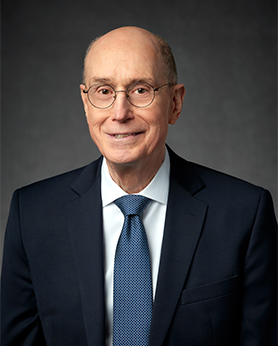 I read Henry B. Eyring's talk from the priesthood session of General Conference called "Help Them Aim High." I really liked how he focused on looking for and helping people to discover their special gifts from God. He talks about how he carved height boards for his children, as reminders of their gifts from God and how they could contribute to the Lord's work. I love how he individually prayed about each child and gave them a reminder that was heartfelt and specific to them. This example helps me to better understand conflict resolution because it is important to focus on looking for the best in people, especially when they are struggling or when they are in a conflict. Realizing that everyone has something good to offer, helping people to be better, and praying for them are all good ways to try to solve conflicts with an individual.
2.) What is the difference between destructive conflict and constructive conflict?
Constructive conflict operates when all parties believe that everyone can win, while destructive conflict exists when one or more parties want to win the conflict and have their ideas win. Constructive conflict tends to have more positive outcomes because the parties are working toward a goal, and there conflicts are about ideas. In contrast, the parties involved in destructive conflict often have a power struggle that results in personal attacks, making the conflicts about people. When it becomes personal, relationships often become damaged, and it becomes much harder to work together than before. To promote constructive conflict, parties should focus on the goals that they are all trying to achieve and ways to compromise so that everyone feels like they are part of the decision making process. This fosters confidence in employees/team members/etc, high-quality ideas from debate and compromise, and more open communication in the future. Constructive conflict works way better than destructive because it promotes change and results instead of personal attacks and resentment.
3.) Do you currently embrace good conflict or evade it? Analyze your current way of managing conflict and find two ares of improvement.
I tend to avoid conflict for as long as possible until I get super frustrated and can't take it anymore. I end up getting way more mad than I would have if I had confronted the person when I initially came upon the problem. It would be better to be open from the start, and tell people when I am frustrated so we can come up with a solution that will improve our relationship instead of letting things fester and get worse. Second, I find that I am pretty judgmental when people do something that I don't agree with. I shouldn't take their actions personally or make judgments about their character because of it. I need to be better at taking a step back and not letting my emotions get in the way, and try to solve the problem instead of trying to solve the person because that isn't my place and it will get me nowhere fast. I also think that I have to be more loving instead of thinking poorly of the person because I wouldn't want someone to judge me or get mad at me based on a misunderstanding. I think that conflict is a lot about understanding people and having open communication, and I have come to see the areas that I need to work on the most.
I tend to avoid conflict for as long as possible until I get super frustrated and can't take it anymore. I end up getting way more mad than I would have if I had confronted the person when I initially came upon the problem. It would be better to be open from the start, and tell people when I am frustrated so we can come up with a solution that will improve our relationship instead of letting things fester and get worse. Second, I find that I am pretty judgmental when people do something that I don't agree with. I shouldn't take their actions personally or make judgments about their character because of it. I need to be better at taking a step back and not letting my emotions get in the way, and try to solve the problem instead of trying to solve the person because that isn't my place and it will get me nowhere fast. I also think that I have to be more loving instead of thinking poorly of the person because I wouldn't want someone to judge me or get mad at me based on a misunderstanding. I think that conflict is a lot about understanding people and having open communication, and I have come to see the areas that I need to work on the most.
Monday, October 15, 2012
Communication. BE SINCERE & EFFECTIVE.
The other day, two people who do PR for BYU came and talked to us about communications, which was kinda perfect since that is exactly the career that I want to pursue – super cool!
Anyways...
1.) Why is communicating powerfully and prolifically a crucial part of leadership?
I originally had to look up what prolifically meant and that really helped me wrap my head around this idea. The Merriam-Webster Dictionary says that prolific means marked by abundant inventiveness or productivity. I think that this means that your message should be strong enough that when communicated it produces some results. This is especially important for leadership because a lot of the time leaders are trying to get people on the same page and then put that into action. Without the prolific aspect, the cause would forever be just an idea and would never produce some real changes.
I also think that being powerful is something that is really hard to be when communicating especially when you fear public speaking (so that is the first obstacle), and also being powerful takes a lot of planning and consolidating your argument so that it is clear, concise, concrete, correct, coherent, complete, and courteous (thanks Ryan!). The 7 C's of Communication really apply to communicating powerfully because people need to understand that it takes a lot of work.
I always wondered what I could have done better when communicating my vision to my old leadership class, and I realized that I hadn't done a lot of the work that needs to take place before you even begin to communicate. It takes time to really define your idea and become a specialist on it. I could have spent way more time connecting the dots, so that my team was able to get the fully formed idea.
Overall, Leadership has so much to do with embracing a vision and then acting on it, which is why communicating that idea powerfully and prolifically is HUGE.
2.) Throughout your life you will serve in various leadership roles everywhere from family roles to work roles to church roles. Everyday you communicate what you believe to those around you through your words and your actions. Todd and Joe expressed how important it is that your messages are rooted in what you believe. In the future, how can you make sure what you communicate is rooted in your beliefs?
I think that I have to always remember who I am and the kind of person that I want to be, and then make sure that all of the things that I do and say support that. I need to constantly remind myself, or else I will probably get stuck in a rut where I am not as confident or enthusiastic as I can be. I can alo write my beliefs down and make a personal vison and mission statement that will guide who I want to be. My dad told me that George Albert Smith had a personal creed by which he conducted his life. It has been called 'Creed of a Saint' because it exemplifies ideal actions of Latter-Day Saints:
- 1. “I would be a friend to the friendless and find joy in ministering to the needs of the poor.”
- 2. “I would visit the sick and afflicted and inspire in them a desire for faith to be healed.”
- 3. “I would teach the truth to the understanding and blessing of all mankind.”
- 4. “I would seek out the erring one and try to win him back to a righteous and a happy life.”
- 5. “I would not seek to force people to live up to my ideals but rather love them into doing the thing that is right.”
- 6. “I would live with the masses and help to solve their problems that their earth life may be happy.”
- 7. “I would avoid the publicity of high positions and discourage the flattery of thoughtless friends.”
- 8. “I would not knowingly wound the feeling of any, not even one who may have wronged me, but would seek to do him good and make him my friend.”
- 9. “I would overcome the tendency to selfishness and jealousy and rejoice in the successes of all the children of my Heavenly Father.”
- 10. “I would not be an enemy to any living soul.”
- 11. “Knowing that the Redeemer of mankind has offered to the world the only plan that will fully develop us and make us really happy here and hereafter I feel it not only a duty but a blessed privilege to disseminate this truth.”I want to do something of this sort, but I want to make it really meaningful to me so that is something that I will be working on. I think that it will help me to communicate with people and be sincere. I am also reading a book that will help me communicate and be the enthusiastic, sincere person that I want to be; it is called How To Win Friends And Influence People by Dale Carnegie. The title is deceiving because it sounds manipulative in a way but it is honestly one of the coolest books that I have ever read. It is really helping me to realize the bad things that I do when communicating with people and how to fix them. It is really inspiring! I totally recommend it for sure! Anyways, I think that it is important for me to always be reminded of my beliefs and work on strategies (like those found in Dale Carnegie's book) to help me communicate better.
3.) Todd and Joe gave us some great hints to help leaders communicate powerfully and prolifically. Develop a step-by-step process that you can follow in order to communicate your desired message to those you lead?
First, always remember to smile. Dale Carnegie says, "Actions speak louder than words, and a smile says, "I like you. You make me happy. I am glad to see you." That is why dogs make such a hit. They are so glad to see us that they almost jump out of their skins. So, naturally, we are glad to see them." Never thought that I would ever get valuable advice telling me to act like a dog, but I totally agree, so act like a dog I will! Carnegie also advises that even if you don't feel like smiling then "first, force yourself to smile. If you are alone, force yourself to whistle or hum a tune or sing. Act as if you were already happy, and that will tend to make you happy." I love his advice because I think that smiles really make a difference and I love his advice about how to keep smiling.
Second, talk in terms of other's interests. Another one of Carnegie's tips, that encourages people to talk to people about thinks that they care about. When I am explaining things, I need to talk about things that are important and relevant to the people that I am trying to persuade instead of just things that I like.
Third, I can ask questions instead of giving direct orders. Carnegie says that good leaders give suggestions not orders. They gather people together, explain the issue, tell them why it is important, and then start asking questions like "Do you think this will work?" or "What do you think of this?". He says,"Asking questions not only makes an order more palatable; it often stimulates the creativity of the persons whom you ask. People are more likely to accept an order if they have had a part in the decision that caused the order to be issued." I think that this is vital because I really don't like feeling like I am being bossy, and this way people are way more involved in the decision making process. I feel like communicating with people instead of at them is way more effective.
First, always remember to smile. Dale Carnegie says, "Actions speak louder than words, and a smile says, "I like you. You make me happy. I am glad to see you." That is why dogs make such a hit. They are so glad to see us that they almost jump out of their skins. So, naturally, we are glad to see them." Never thought that I would ever get valuable advice telling me to act like a dog, but I totally agree, so act like a dog I will! Carnegie also advises that even if you don't feel like smiling then "first, force yourself to smile. If you are alone, force yourself to whistle or hum a tune or sing. Act as if you were already happy, and that will tend to make you happy." I love his advice because I think that smiles really make a difference and I love his advice about how to keep smiling.
Second, talk in terms of other's interests. Another one of Carnegie's tips, that encourages people to talk to people about thinks that they care about. When I am explaining things, I need to talk about things that are important and relevant to the people that I am trying to persuade instead of just things that I like.
Third, I can ask questions instead of giving direct orders. Carnegie says that good leaders give suggestions not orders. They gather people together, explain the issue, tell them why it is important, and then start asking questions like "Do you think this will work?" or "What do you think of this?". He says,"Asking questions not only makes an order more palatable; it often stimulates the creativity of the persons whom you ask. People are more likely to accept an order if they have had a part in the decision that caused the order to be issued." I think that this is vital because I really don't like feeling like I am being bossy, and this way people are way more involved in the decision making process. I feel like communicating with people instead of at them is way more effective.
Monday, October 8, 2012
Leadership: Teamwork
In my leadership class, the BYU Student Body President gave us a great lesson on teamwork. He discussed five dysfunctions of a team, which were absence of trust, fear of conflict, lack of commitment, avoidance of accountability, and inattention to results.
1. Each really made me reflect on teamwork issues that I have had in previous organizations, and I think that the hardest one for me is probably absence of trust. I have a really hard time delegating the work load in group projects because I have been let down in many cases and know that if I leave the work up to myself then I can have it done the way that I want it done. However, this approach is not good for a team because everyone has valuable experience and ideas to incorporate. I think that the most successful leaders motivate others to do the work that they delegate and allow others to try to carry out the task, even if they sometimes fail. Since a lot of leadership is about creating other leaders, it is important to make sure that everyone has the opportunity to grow from taking responsibility of something and owning it. Moreover, I can be a better leader by taking this example into action and holding other people responsible for tasks and motivating them to get the work done.
2. I think that the most common obstacles that leaders run into while facilitating teamwork are inattention to results and fear of conflict. As Student Body President last year, I remember running into two problems constantly that were harder to resolve than anything else. First, it was really hard motivating 55 people to work together because a lot of people had different goals which created a lot of conflicts. I think that the most essential part of creating a team is making sure that everyone is united under a vision and SMART goals that help guide that vision. We had a mission statement and went over it with the class, but looking back I'm not sure how well we communicated those goals and motivated our team to carry them out. Therefore, we did a lot of activities with only half-effort and sometimes without a purpose because of traditions or tendencies towards certain activities with no real vision behind it. This lack of purpose tricked down to just about everything that we did, and the fact that we were not united under those goals did not help either. I think that if people would have really embraced the mission of our program then their would be less conflicts because the work that we were doing would have been less about each individual trying to get work done, but more about the success of the team working toward our vision. Therefore, the goals of the team really need to be communicated and embraced if the team wants to really make a difference in whatever they are trying to do. Second, as a leader, I ran into problems with people coming to me and wanting me to resolve their conflicts for them. They would tell me that someone was doing something that bothered them, but refused to really address the problem with the person directly. Because I also fear conflict, I found that it was extremely difficult for me to mediate since all of the parties involved were my friends. For awhile, I was the middle man between a lot of people, resolving conflicts by talking to someone and trying to figure out solutions. However, I was at fault because none of these conflict resolutions ever happened when all the parties were in the same room. Since they did not resolve their own conflicts face-to-face, the problems lingered and bitter feelings still existed even though I thought that everything was okay. I think that the best way to handle these situations is to address the problem with constructive criticism and openly with respect. I think that when people respect each other and listen to each other explain why he or she did something, then they will likely be able to get over whatever was going on. Overall, I think that both of these obstacles require better communication within the group, which the leader has the responsibility to make sure happens. The leader really has to get people on the same page which is harder than it seems.
I really like this video about conflicts and I think it illustrates how people respond to frustration without communicating to the other party.
I think that it says a lot about the other workers in the office too. As the guy beats him up, none of the other co-workers try to intervene. They all probably also feel annoyed by this guy, but no one probably brings it up to the guy. I feel like this is how we as humans operate because we don't want to hurt anyone's feelings, but inevitably this approach just causes more problems than had the workers communicated honestly and openly.
3. My personality type for the Myer-Briggs Personality Test was ESFP. I really like these personality tests because they help me figure out what my strengths and weaknesses are, and how other people's personality types can compliment or conflict with mine, so I need to be careful in how I work with them in order to be the most successful that we can be.
1. Each really made me reflect on teamwork issues that I have had in previous organizations, and I think that the hardest one for me is probably absence of trust. I have a really hard time delegating the work load in group projects because I have been let down in many cases and know that if I leave the work up to myself then I can have it done the way that I want it done. However, this approach is not good for a team because everyone has valuable experience and ideas to incorporate. I think that the most successful leaders motivate others to do the work that they delegate and allow others to try to carry out the task, even if they sometimes fail. Since a lot of leadership is about creating other leaders, it is important to make sure that everyone has the opportunity to grow from taking responsibility of something and owning it. Moreover, I can be a better leader by taking this example into action and holding other people responsible for tasks and motivating them to get the work done.
2. I think that the most common obstacles that leaders run into while facilitating teamwork are inattention to results and fear of conflict. As Student Body President last year, I remember running into two problems constantly that were harder to resolve than anything else. First, it was really hard motivating 55 people to work together because a lot of people had different goals which created a lot of conflicts. I think that the most essential part of creating a team is making sure that everyone is united under a vision and SMART goals that help guide that vision. We had a mission statement and went over it with the class, but looking back I'm not sure how well we communicated those goals and motivated our team to carry them out. Therefore, we did a lot of activities with only half-effort and sometimes without a purpose because of traditions or tendencies towards certain activities with no real vision behind it. This lack of purpose tricked down to just about everything that we did, and the fact that we were not united under those goals did not help either. I think that if people would have really embraced the mission of our program then their would be less conflicts because the work that we were doing would have been less about each individual trying to get work done, but more about the success of the team working toward our vision. Therefore, the goals of the team really need to be communicated and embraced if the team wants to really make a difference in whatever they are trying to do. Second, as a leader, I ran into problems with people coming to me and wanting me to resolve their conflicts for them. They would tell me that someone was doing something that bothered them, but refused to really address the problem with the person directly. Because I also fear conflict, I found that it was extremely difficult for me to mediate since all of the parties involved were my friends. For awhile, I was the middle man between a lot of people, resolving conflicts by talking to someone and trying to figure out solutions. However, I was at fault because none of these conflict resolutions ever happened when all the parties were in the same room. Since they did not resolve their own conflicts face-to-face, the problems lingered and bitter feelings still existed even though I thought that everything was okay. I think that the best way to handle these situations is to address the problem with constructive criticism and openly with respect. I think that when people respect each other and listen to each other explain why he or she did something, then they will likely be able to get over whatever was going on. Overall, I think that both of these obstacles require better communication within the group, which the leader has the responsibility to make sure happens. The leader really has to get people on the same page which is harder than it seems.
I really like this video about conflicts and I think it illustrates how people respond to frustration without communicating to the other party.
I think that it says a lot about the other workers in the office too. As the guy beats him up, none of the other co-workers try to intervene. They all probably also feel annoyed by this guy, but no one probably brings it up to the guy. I feel like this is how we as humans operate because we don't want to hurt anyone's feelings, but inevitably this approach just causes more problems than had the workers communicated honestly and openly.
3. My personality type for the Myer-Briggs Personality Test was ESFP. I really like these personality tests because they help me figure out what my strengths and weaknesses are, and how other people's personality types can compliment or conflict with mine, so I need to be careful in how I work with them in order to be the most successful that we can be.
Subscribe to:
Posts (Atom)